

Gender expression is the way a person presents aspects of gender outwardly through clothing, hairstyle, grooming, voice, mannerisms, body language, names and other forms of social presentation. It is visible or perceptible to other people, but it does not necessarily reveal a person’s gender identity, sexual orientation or sex assigned at birth.
Understanding this distinction helps avoid a common mistake: assuming who someone is based on how they look or behave. Masculine, feminine, androgynous and other forms of presentation can be used by people of any gender, and an individual’s expression may remain consistent or change depending on preference, setting, safety, culture or stage of life.
What does gender expression mean?
Gender expression describes the external presentation of gender-related characteristics. Societies tend to associate certain clothes, hairstyles, gestures, voices, occupations and behaviors with masculinity, femininity or other gendered categories, although these associations are cultural rather than universal.
Expression therefore involves both personal choices and the social meaning attached to those choices. The same appearance can be interpreted differently across cultures, generations and communities, which is why gender expression cannot be reduced to a fixed checklist of masculine or feminine traits.
Examples of gender expression
Gender expression can involve many aspects of everyday presentation. No individual characteristic determines a person’s gender, but several elements together may influence how others perceive someone’s presentation.
- Clothing: the styles, cuts, colors or combinations a person chooses to wear.
- Hair and grooming: hairstyles, facial hair, cosmetics, jewelry and other appearance choices.
- Voice: pitch, tone, speech patterns and other vocal characteristics.
- Body language: posture, gestures, movement and mannerisms that a culture may interpret as gendered.
- Name and forms of address: how someone introduces themselves and wishes to be addressed.
- Social presentation: the way a person presents themselves in different personal, professional or public environments.
These components can appear in countless combinations. A person may have a conventionally masculine appearance while using characteristics culturally regarded as feminine, or vice versa, without those choices providing a complete explanation of their identity.
Gender expression vs. gender identity, sexual orientation and sex
Several concepts related to gender and sexuality are frequently treated as interchangeable even though they describe different aspects of a person. Gender expression concerns presentation, while gender identity concerns a person’s internal sense of gender.
Sexual orientation is different again because it concerns patterns of romantic or sexual attraction rather than presentation. Anyone looking more closely at that distinction can also read this guide to sexual identity. Appearance alone does not establish whom a person is attracted to.
| Concept | What it generally refers to | Can appearance reliably reveal it? |
|---|---|---|
| Gender expression | How a person presents or expresses gender outwardly | It is partly observable, although its meaning should not be assumed |
| Gender identity | A person’s internal sense or experience of gender | No |
| Sexual orientation | Patterns of romantic or sexual attraction | No |
| Sex characteristics | Physical characteristics associated with sex, such as anatomy and other biological traits | Not reliably from ordinary appearance |
The distinction matters because these dimensions do not have to follow a predetermined pattern. A feminine presentation does not automatically mean that someone identifies as a woman, just as a masculine presentation does not determine whether someone is a man, transgender, non-binary, gay, straight or bisexual.
How gender roles influence gender expression
To understand expression, it is useful to consider the expectations societies attach to gender. Gender roles create ideas about how people are expected to dress, speak, behave or organize their lives, and those expectations influence how different forms of presentation are interpreted.
Ideas considered traditionally masculine or feminine can also evolve. Expectations surrounding men’s hair length, women’s clothing, cosmetics, professional dress or acceptable displays of emotion have changed substantially across places and historical periods. The relationship becomes clearer when examining the definition of gender roles and practical examples.
Gender expression can conform to these expectations, combine them or reject them altogether. Someone may deliberately use clothing associated with a particular gender, while another person may simply dress according to comfort or personal taste without intending to communicate anything specific about gender.
Gender expression across cultures and communities
Ideas about masculine and feminine presentation are culturally dependent. Clothing that carries strong gender associations in one society may have a different meaning elsewhere, while colors, hairstyles, jewelry, cosmetics and forms of dress can change significance over time.
Religion, family expectations, age, profession, ethnicity, local traditions and social environment can also affect how a person presents themselves. There is therefore no universal form of masculine, feminine or gender-neutral expression that applies identically to every community.
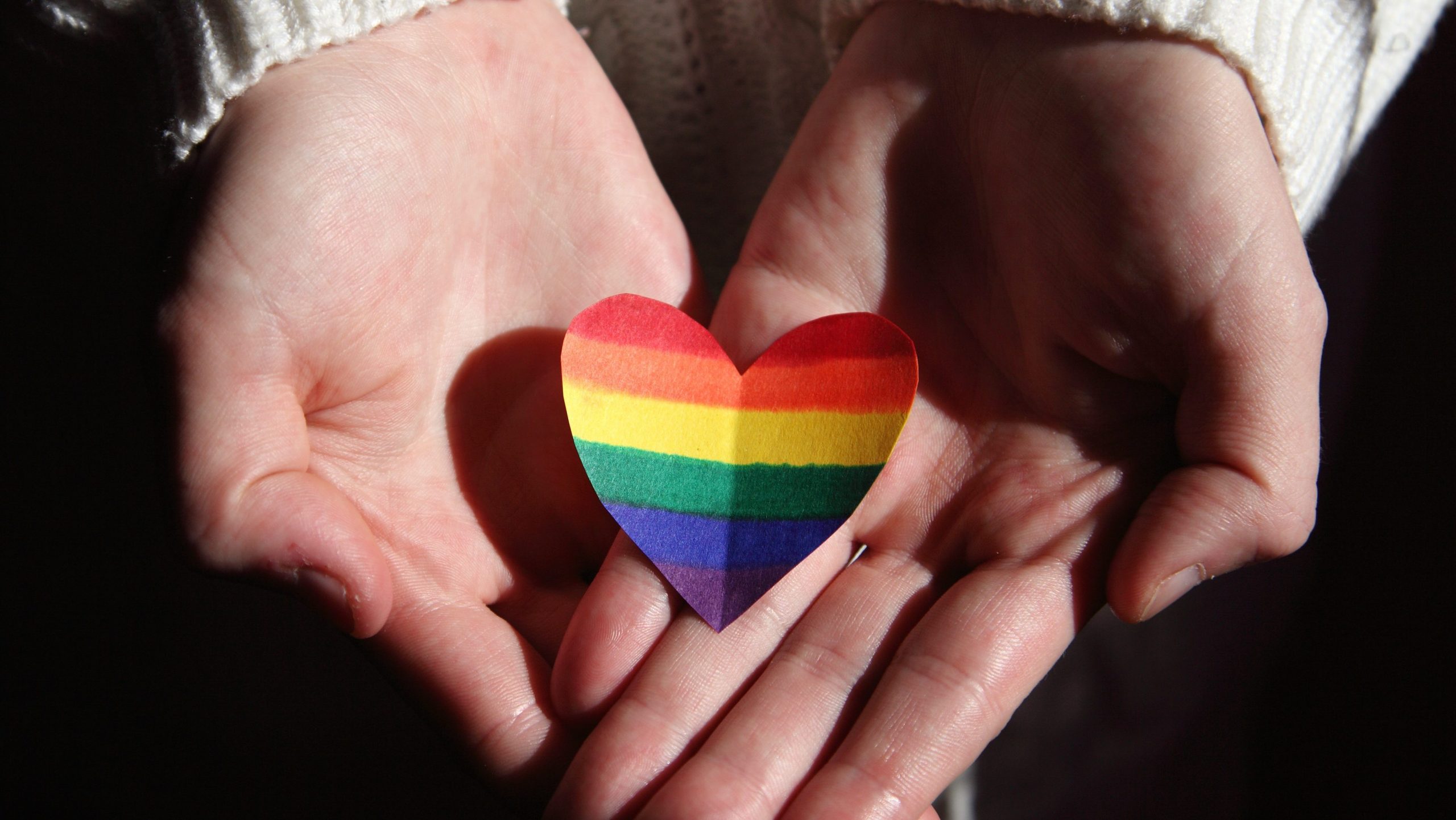
Cultural context also affects how much freedom people feel they have to experiment with presentation. Some environments tolerate a broad range of gender expressions, while others enforce narrower expectations through family pressure, dress codes, social judgment or institutional rules.
Can gender expression change over time?
Yes. A person’s gender expression can be consistent, flexible or change throughout life. Someone may alter their hairstyle, clothing, name, mannerisms or other aspects of presentation as they discover what feels comfortable, enter a new environment or simply develop different tastes.
Expression can also vary from one situation to another. A person may present differently at work, at home, with friends or at a formal event because of dress codes, cultural expectations, personal safety or convenience. Changing presentation does not automatically mean that gender identity has changed.
For some people, however, changes in expression do form part of exploring or communicating their gender. The important distinction is that the meaning of those changes belongs to the individual rather than to outside observers.
Gender expression among cisgender, transgender and non-binary people
Everyone has some form of gender expression, not only transgender or non-binary people. A cisgender man who prefers conventionally masculine clothes, a cisgender woman with an androgynous style and a transgender person experimenting with presentation are all expressing themselves in ways that may carry gendered meanings.
For some transgender and non-binary people, presentation can be an especially meaningful way of communicating gender. Others may not want or be able to present according to conventional expectations associated with their identity. There is no required appearance for being transgender, non-binary, cisgender or genderfluid.
Genderfluid people may experience changes in gender identity or in the way they wish to present themselves over time, although experiences vary considerably from person to person. The symbolism associated with this experience is discussed further in this article about the genderfluid flag and gender diversity.
Gender expression and sexual orientation are not the same
One persistent stereotype is the assumption that masculine or feminine presentation indicates sexual orientation. There is no reliable way to determine whether someone is gay, lesbian, bisexual, heterosexual or another orientation from their gender expression.
A man can have a feminine expression and be straight, gay, bisexual or another orientation. The same is true of women and people with non-binary identities. Gender expression describes presentation rather than attraction, so drawing conclusions about sexuality from clothes, voice or mannerisms can reinforce stereotypes.
Why freedom of gender expression matters
Personal appearance is part of ordinary self-expression. Being able to choose how to dress, groom and present oneself can contribute to comfort, autonomy and a sense of belonging, whether or not those choices have a strong connection to gender identity.
Problems arise when social expectations become rigid enough to punish people who do not conform. Gender-nonconforming individuals may encounter ridicule, exclusion, harassment or discrimination because their presentation differs from what others expect. The reaction of the surrounding environment can therefore matter as much as the expression itself.
This does not mean every disagreement about appearance is automatically discrimination. Rules and expectations vary between schools, workplaces, organizations and jurisdictions. However, policies based on consistent practical requirements tend to be easier to justify than assumptions built around stereotypes about how men, women or other people should look.
Gender expression in schools and workplaces
Schools and workplaces are settings where personal expression frequently meets institutional expectations. Uniforms, dress codes, grooming standards and professional conventions can influence what people wear and how they present themselves. Problems can emerge when similar behavior is judged differently depending on the gender others attribute to a person.
An inclusive approach does not necessarily require eliminating every appearance standard. Organizations can instead ask whether a requirement has a practical purpose and whether it is applied consistently. Clear rules focused on safety, hygiene or professional needs can reduce unnecessary gender-based assumptions.
Everyday interaction matters as well. Using the name and forms of address a person provides, avoiding jokes about supposedly masculine or feminine traits and not treating appearance as permission to speculate about someone’s private life are straightforward practices. Respect does not require knowing or categorizing another person’s identity.
Common misconceptions about gender expression
Because expression is visible while identity is personal, it is easy to confuse observation with certainty. Many misconceptions begin when cultural stereotypes are treated as rules rather than as changing social conventions.
- “Clothing determines gender identity.” Clothing may communicate something about a person’s style or expression, but it cannot establish identity by itself.
- “Gender-nonconforming people are necessarily transgender.” People of any gender can have an expression that differs from conventional expectations.
- “A feminine man must be gay.” Expression and sexual orientation are separate concepts.
- “Non-binary people must look androgynous.” Non-binary individuals can present in masculine, feminine, androgynous or other ways.
- “Gender expression is always deliberate.” Not every hairstyle, gesture or item of clothing is intended as a statement about gender.
- “Expression cannot change.” Presentation may vary with preference, context and different stages of life.
These distinctions make interpretation more accurate and reduce unnecessary labeling. The safest approach is not to infer an entire identity from a visible characteristic, particularly when the person has not described what that characteristic means to them.
How to talk about gender expression respectfully
Respectful communication begins by allowing people to describe themselves rather than assigning labels based on appearance. It is usually unnecessary to determine another person’s gender identity simply to interact with them, and curiosity does not automatically make private questions appropriate.
When someone’s name or preferred form of address is relevant, using the information they provide is generally more accurate than guessing. If a mistake occurs, a brief correction is usually more useful than turning the interaction into a prolonged discussion about the person’s identity.
It is also worth avoiding compliments or criticisms that contain hidden assumptions, such as telling someone they look “surprisingly feminine” or “not masculine enough.” Presentation is personal, and there is no single correct way to look like a man, woman or non-binary person.
Frequently asked questions about gender expression
What is a simple definition of gender expression?
Gender expression is how a person presents themselves in ways that society may associate with gender. This can include clothing, hairstyle, grooming, voice, mannerisms, body language and other aspects of appearance or social presentation.
It describes an outward dimension of gender rather than providing a complete description of identity. What other people perceive is not necessarily the same as how the individual identifies.
Is gender expression the same as gender identity?
No. Gender identity refers to a person’s internal sense of gender, while gender expression concerns outward presentation. The two can relate to each other, but they should not be treated as identical.
A person can also express themselves in a way that does not conform to expectations traditionally associated with their identity. Identity cannot reliably be inferred from clothes, hair, voice or behavior.
What is gender-nonconforming expression?
Gender-nonconforming expression generally describes presentation that differs from conventional expectations associated with a person’s perceived or assigned gender. What counts as nonconforming depends heavily on culture and context.
The term describes expression rather than automatically identifying someone’s gender. A gender-nonconforming person may be cisgender, transgender, non-binary or use another description.
Can a cisgender person have a non-traditional gender expression?
Yes. Cisgender people can dress, behave or present themselves outside traditional gender norms without having a different gender identity. A man’s use of cosmetics or a woman’s preference for conventionally masculine clothing, for example, does not determine either person’s identity.
This distinction illustrates why expression should not be used as a diagnostic tool for gender or sexuality. Breaking a stereotype is not the same as changing identity.
Are pronouns part of gender expression?
Names and pronouns can be among the ways some people communicate their gender socially. However, pronouns should not be treated as a perfect shorthand for gender identity, because people can use them in different ways and for different reasons.
When pronouns matter in a conversation, the most reliable information comes from the person concerned. Using someone’s stated form of address avoids assumptions based on appearance.
Does gender expression determine sexual orientation?
No. Gender expression and sexual orientation describe different aspects of a person. Someone’s clothes, voice, hairstyle or mannerisms do not reliably indicate the genders to which they may be romantically or sexually attracted.
Stereotypes connecting masculinity or femininity with particular orientations can lead to inaccurate assumptions. Presentation alone cannot tell you whether someone is heterosexual, gay, lesbian, bisexual or another orientation.
Understanding gender expression without making assumptions
Gender expression is best understood as the outward and socially interpreted dimension of personal presentation. It can relate closely to gender identity for some people and only loosely for others, while cultural norms help determine which characteristics are regarded as masculine, feminine, androgynous or gender-nonconforming.
The practical lesson is simple: appearance provides information about how somebody looks, not certainty about who they are. Separating expression from identity, sexual orientation and stereotypes allows for a more accurate understanding of gender diversity while leaving individuals room to define the meaning of their own presentation.