
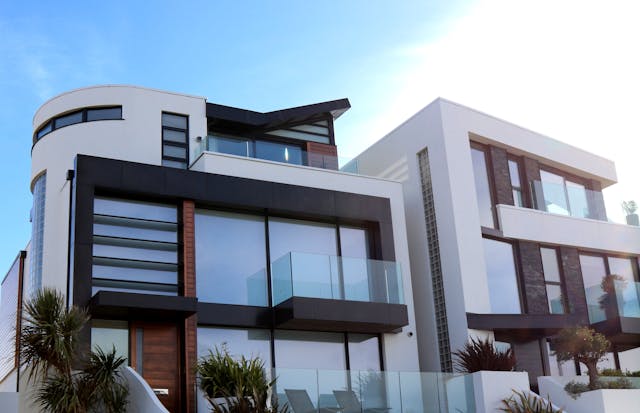
As we step into 2025, modern house design continues to evolve, blending aesthetics, sustainability, and smart technology. Homeowners and architects alike are pushing the boundaries of innovation to create spaces that are not only visually striking but also functional and environmentally responsible.
Sustainable design takes center stage
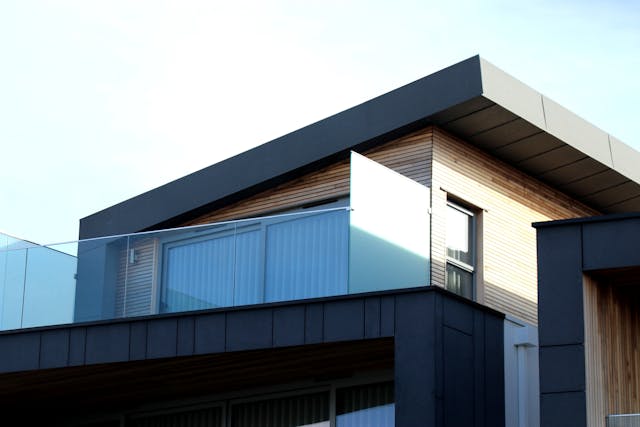
One of the strongest trends in 2025 is the focus on sustainability. More than ever, homeowners are seeking ways to reduce their carbon footprint. This has led to the widespread adoption of eco-friendly building materials, energy-efficient appliances, and smart home technologies.
Recycled steel, bamboo, and reclaimed wood are among the top materials being used for both structural and decorative purposes. Green roofs, solar panels, and rainwater harvesting systems are becoming standard features in modern homes. Architects are also embracing passive design strategies—such as natural ventilation and thermal mass—to reduce energy consumption.
Biophilic design and natural integration
Biophilic design, which seeks to connect occupants more closely with nature, continues to rise in popularity. In 2025, we see a strong emphasis on large windows, indoor gardens, living walls, and natural light. These elements not only enhance aesthetic appeal but also improve mental well-being and indoor air quality.
Expect to see homes designed with seamless indoor-outdoor transitions, such as retractable glass walls, outdoor kitchens, and open patios. Landscaping is being integrated into the very fabric of the architecture, rather than treated as an afterthought.
Minimalism with a warm touch
While minimalism has been a staple of modern design for years, 2025 brings a warmer, more inviting version. Stark whites and cold industrial finishes are giving way to earth tones, natural textures, and organic shapes.
Designers are favoring simplicity with personality: think clean lines paired with soft textiles, and open floor plans complemented by curated decor. Neutral palettes—beige, terracotta, sage green—dominate, creating spaces that feel calm and grounded.
Smart homes and integrated technology
Technology is now a fundamental component of modern house design. In 2025, smart home systems are more intuitive and integrated than ever. Homeowners can control lighting, climate, security, and even appliances through voice commands or smartphone apps.
Emerging trends include:
- AI-powered climate control systems.
- Smart glass that adjusts opacity based on sunlight.
- Advanced home automation with machine learning for personalized experiences.
- Security, energy efficiency, and convenience are the key drivers behind these tech-forward homes.
Flexible and multi-functional spaces
With remote work and hybrid lifestyles becoming permanent, homes must now accommodate various activities. Architects are designing multi-functional spaces that can transform throughout the day. A guest room may double as a home office, or a kitchen island might serve as both a cooking area and a workspace.
In 2025, modular furniture and sliding partitions are popular solutions for optimizing space without compromising style. Flexibility is key, especially in urban homes where square footage is limited.
New materials and surface innovations
Modern house design in 2025 is also marked by innovation in materials and finishes. Ultra-durable surfaces like sintered stone and engineered quartz are increasingly replacing traditional options for countertops and flooring.
Sustainable concrete alternatives such as hempcrete and mycelium-based materials are gaining traction due to their low environmental impact. For exteriors, charred wood siding (shou sugi ban) offers a striking, long-lasting, and fire-resistant option.
Architectural inspirations: from Japan to Scandinavia
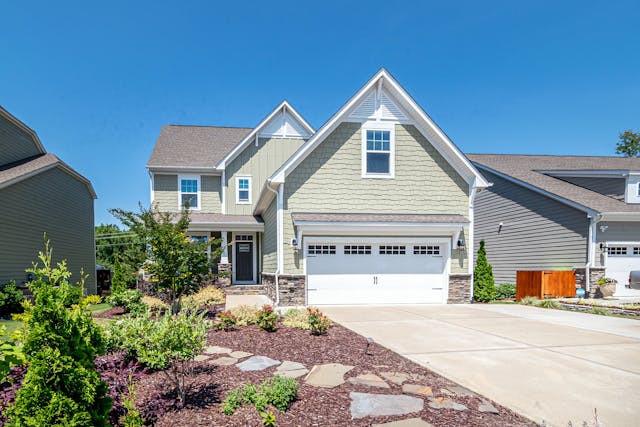
Modern design in 2025 continues to draw inspiration from global architectural traditions:
- Japanese wabi-sabi emphasizes imperfection, simplicity, and natural beauty.
- Scandinavian hygge brings warmth and coziness through textures, soft lighting, and minimalist furniture.
- Mediterranean elements—such as stucco walls, clay tiles, and courtyards—add character and a sense of heritage.
Blending styles has become a hallmark of modern architecture, resulting in homes that are uniquely tailored to the owner’s lifestyle and cultural preferences.
Modern house design in 2025 is a harmonious blend of innovation, sustainability, and aesthetic refinement. Whether you’re building a new home or remodeling an existing one, staying informed about the latest trends and materials can help you create a space that is both future-ready and deeply personal.
From eco-conscious materials to smart technologies and natural inspirations, the homes of tomorrow reflect a conscious shift toward better living—for both people and the planet.